
AI Engineer
Building AI platforms & developer tools that accelerate innovation.
Production AI systems • Open-source SDKs • Multi-agent orchestration • TypeScript + Python
36% hallucination reduction • $18K/mo cost savings • 1st Place Azure AI Hackathon 2025
Production Work (Enterprise Systems)
4+ years driving scalable distributed systems, 1.5+ years delivering LLM-powered solutions
// Professional Experience
JLL Technologies
Software Engineer 2 (AI/Backend)
Dallas, TX
Key Highlights
Tech Stack
Tata Consultancy Services
Software Engineer
Remote (Client: GE Aerospace)
Tech Stack
// How My Systems Evolved
TCS: Enterprise Foundations
ML pipelines, 50K+ users, 2M+ daily records
Distributed Systems
Redis caching, microservices, 60% API optimization
JLL: Production LLM Systems
Multi-agent RAG, MCP servers, 36% hallucination reduction
GenAI Leadership
Mentored engineers, architecture adopted by 3 teams
Systems I've Built
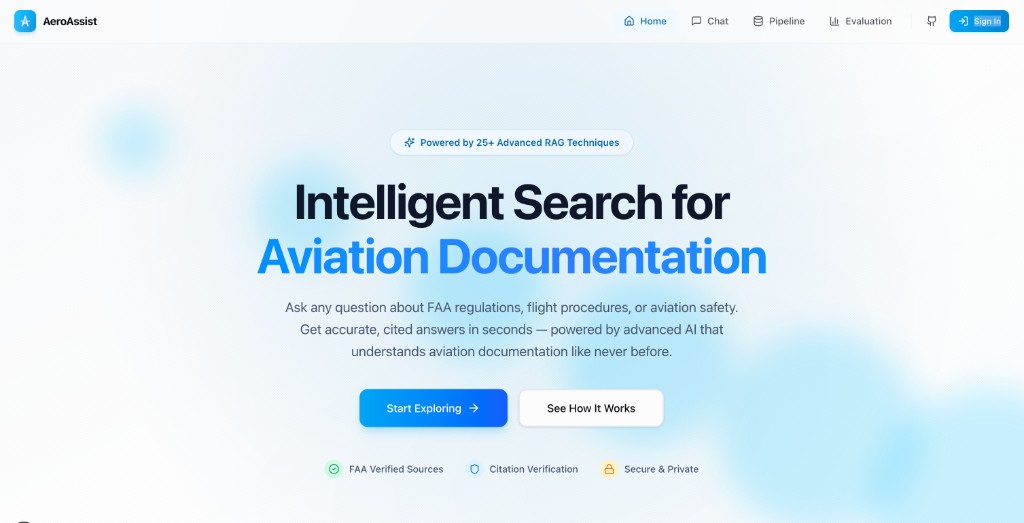
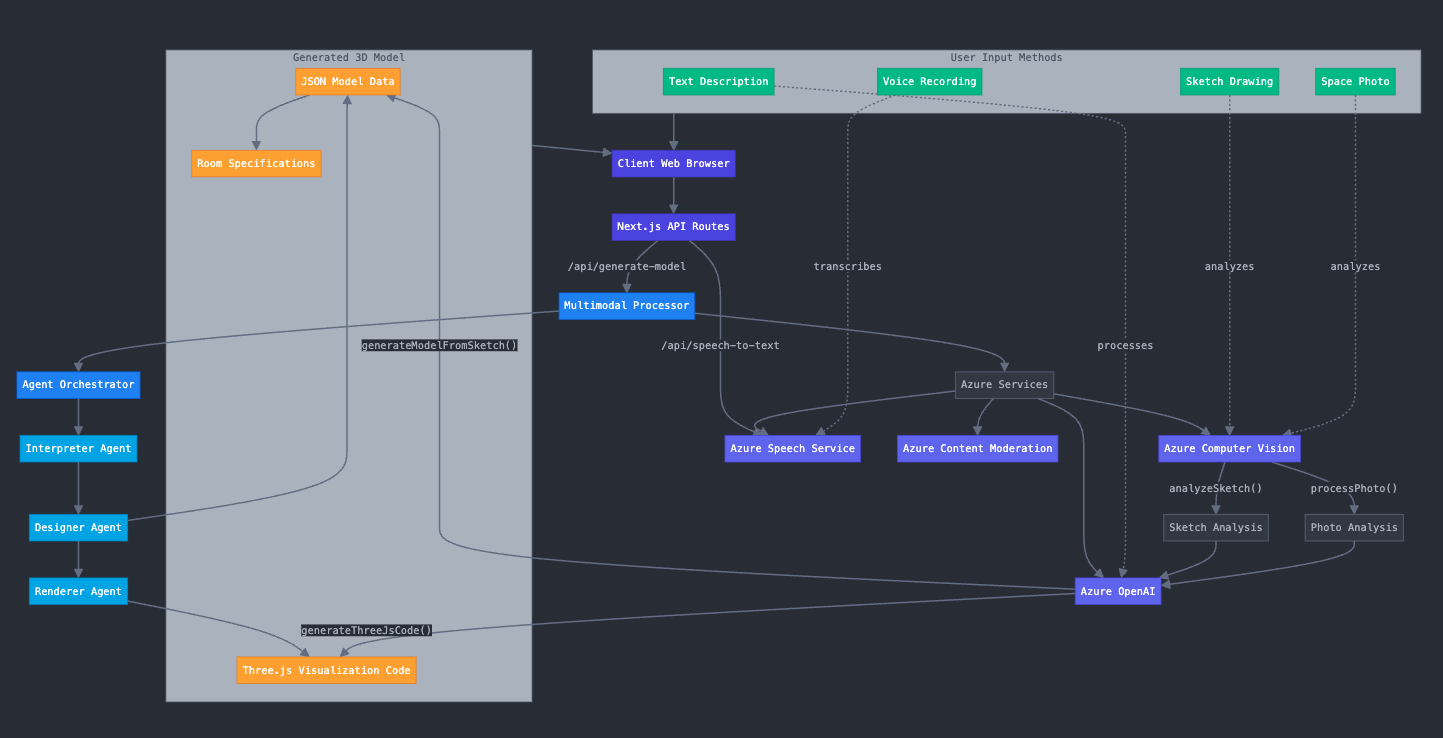
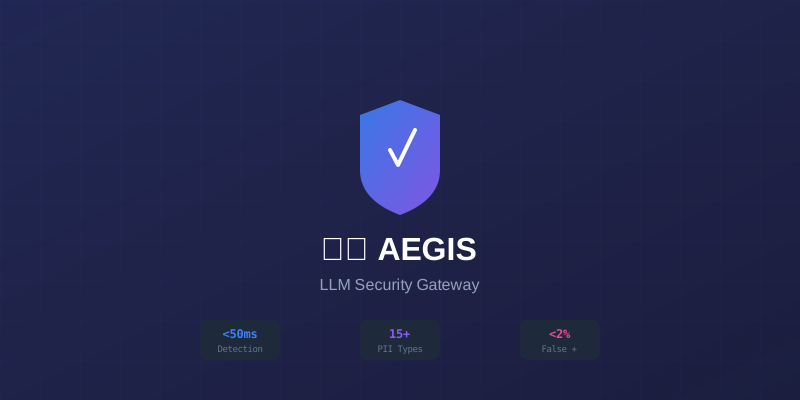
Live Projects Portfolio
Production-ready AI systems deployed and ready to explore
Technical Skills
Core competencies across the AI engineering stack
// GenAI / LLM
// LLM Providers & Tools
// Backend & Cloud
// Document AI & Data
AI Engineering Philosophy
How I Build AI Systems
Core principles and what makes me different
Reliability > raw model intelligence
A mediocre model with strong guardrails beats a brilliant model that hallucinates.
Validate at inference time, not post-processing. Use structured outputs with schema enforcement. Implement multi-layer validation: input sanitization → model guardrails → output verification.
Reliability > raw model intelligence
A mediocre model with strong guardrails beats a brilliant model that hallucinates.
Validate at inference time, not post-processing. Use structured outputs with schema enforcement. Implement multi-layer validation: input sanitization → model guardrails → output verification.
Deterministic outputs matter
Production systems need predictable behavior. Temperature=0 is often the right choice.
Set temperature=0 for factual queries. Use structured outputs with Pydantic validation. Implement reproducible seeds for consistent results. Schema-first approach reduces variability.
LLMs must fail safely
Every inference path needs a fallback. Confidence thresholds route to human review.
Implement confidence thresholds (e.g., <0.7 → human review). Build fallback chains: primary model → smaller model → rule-based → human escalation. Use exponential backoff for retries.
Observability is mandatory
You can't improve what you can't measure. Log everything, trace every request.
Log prompts, responses, tokens, latency, costs. Trace requests end-to-end. Monitor hallucination rates, user feedback, error rates. Set up alerts for anomalies. Use structured JSON logs. Track model performance metrics, token usage, and costs in real-time dashboards.
Agents need constraints, not autonomy
Unbounded agents are liabilities. Define clear boundaries and validation checkpoints.
Set max iterations/tokens per agent. Validate each step before proceeding. Use agent orchestrators to coordinate multi-agent workflows. Implement circuit breakers for runaway agents.
Why should you hire me?
I bridge the gap between cutting-edge AI and production systems that work at scale—with proven results.
Q: What makes you different from other AI engineers? A: Most AI engineers fall into two camps: pure ML researchers who struggle with production systems, or backend engineers learning AI. I'm the rare intersection of both. • 4+ years architecting distributed systems at enterprise scale — TCS: Built backend systems serving 50K+ users with 99.9% uptime for aerospace clients — JLL Technologies: Shipped production GenAI systems reducing analysis time from 4 hours to 30 seconds • 1.5+ years shipping production LLM applications with real users • Track record of reliability: reduced hallucinations by 35% across systems • Proven impact: 100K+ buildings served, 50K+ monthly active users • Hackathon validation: 1st place Azure AI Developer Hackathon 2025 • Continuous learning: Actively participate in AI hackathons and attend cutting-edge AI tech events to stay ahead of the curve I don't just understand transformers and RAG pipelines—I know how to wrap them in guardrails, observability, and failover logic that keeps them running 24/7. I ship production-grade AI that business leaders trust, not fragile demos that break under load.
Education & Recognition
Academic background and professional achievements
Education
Master of Science, Computer Science
University of North Texas
Bachelor of Engineering
Indus University
Certifications & Awards
1st Place, Azure AI Hackathon 2025
2025
AWS Certified Cloud Developer
2025
AI Engineer Agentic Track - MCP Course
2025
JLLT Tech Engineering Award Q4
2024
2nd Place, Goldman Sachs Challenge
2024